
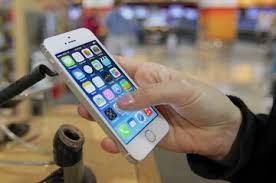
Sometimes finding the right phone, especially when you’re just starting out, can feel a bit tricky. You might see terms like j phones and wonder what they really mean or if they’re right for you. Don’t worry, it’s not as complicated as it sounds!
We’re going to break it all down in a super simple, step-by-step way so you can feel confident. Let’s get started and see what these j phones are all about.
Key Takeaways
- You will learn what “j phones” generally refers to.
- We will cover the common features and benefits associated with these phones.
- You will discover how to choose the best j phone for your needs.
- We will explain how to get the most out of your new j phone.
- You will understand how j phones compare to other options available.
- We will address some common questions people have about j phones.
What Are J Phones
When people talk about j phones, they are usually referring to a specific line of smartphones made by Samsung. These phones are part of Samsung’s “Galaxy J” series. They are known for being affordable and offering good value, making them a popular choice for many people, especially those who are new to smartphones or looking for a budget-friendly option.
They often come with reliable performance for everyday tasks like calling, texting, browsing the web, and using social media. Think of them as a great starting point for anyone wanting a capable smartphone without spending a lot of money.
The Galaxy J Series Explained
The Galaxy J series was Samsung’s way of offering a range of smartphones that focused on providing essential features at a lower price point. This meant you could get a Samsung phone that felt familiar, with a decent screen, camera, and battery life, without having to pay for the premium features found in their higher-end Galaxy S or Note series. They were designed for everyday use, making them perfect for people who just needed a phone to stay connected and manage their daily digital lives.
While Samsung has since evolved its lineup, the legacy of the J series is still relevant when discussing affordable smartphones.
These phones typically featured Android operating systems, so if you’ve used an Android device before, you’ll likely find the experience very familiar. They offered a good balance of usability and affordability. For instance, a Galaxy J3 might have a smaller screen and fewer advanced camera features compared to a flagship phone, but it would still let you do all the important things you need a smartphone for.
This focus on core functionality at a good price made them incredibly popular worldwide. Many people got their first smartphone experience with a J series device.
Key Features of J Phones
The common features you would find across the j phones line included decent displays, though not always the highest resolution, making them easy on the eyes for browsing and apps. They usually had cameras capable of taking clear photos, especially in good lighting, which is perfect for capturing everyday moments. Battery life was often a strong point, with many J series phones designed to last through a full day of moderate use, which is a big plus for anyone on the go.
You could expect them to run most popular apps smoothly.
Connectivity was also a standard feature, with Wi-Fi, Bluetooth, and cellular data capabilities. They also supported expandable storage via microSD cards, which was a great way to add more space for photos, videos, and apps without paying extra for a phone with more built-in storage. This made them very practical.
Basic security features like password or PIN protection were always included, and some models might have offered fingerprint sensors for added convenience and security, depending on the specific model and year it was released.
Who Are J Phones For
J phones were primarily targeted at individuals looking for a budget-friendly smartphone. This included students, seniors, or anyone who didn’t need the latest high-end technology. They were also great for people who wanted a reliable backup phone or a device for a child’s first smartphone.
Essentially, if you needed a device that could handle calls, texts, emails, social media, and light app usage without a hefty price tag, a J series phone was an excellent option. They offered the core smartphone experience at an accessible cost, making smart technology available to a wider audience.
For those who found other smartphones to be overly complicated or expensive, the J series provided a welcoming entry point. The user interface was generally straightforward, and the hardware was robust enough for everyday handling. This simplicity appealed to a large segment of the market that prioritized practicality and affordability over cutting-edge innovation.
They provided a solid foundation for digital life without the overwhelm. Many users appreciated the no-fuss approach these phones offered.
Benefits of Choosing J Phones
One of the biggest advantages of the j phones was their affordability. Samsung designed this series to be accessible, meaning you could get a smartphone experience without breaking the bank. This made them a fantastic choice for people on a tight budget or those who simply didn’t want to invest a lot in a mobile device.
The lower cost also meant less worry about damage or loss, which can be appealing for first-time smartphone users or parents buying for their children. It’s about getting what you need at a price you can manage.
Beyond the price, these phones offered a reliable and familiar user experience, largely due to running on the Android operating system. This meant that if you had any previous experience with Android devices, you would feel right at home. Samsung also equipped these phones with solid battery life, which is crucial for anyone who uses their phone throughout the day.
You could generally count on a J series phone to keep you connected from morning to night without needing constant recharges. This practicality was a key selling point.
Cost-Effectiveness
The main draw for j phones was undoubtedly their cost-effectiveness. They represented Samsung’s commitment to offering feature-rich devices at budget-friendly prices. This strategy allowed a wider range of consumers to access smartphone technology, empowering individuals who might have been priced out of more premium options.
The value proposition was strong; you received a fully functional smartphone capable of handling most daily tasks for significantly less than a flagship device. This made them a smart financial decision for many people, offering great utility without a large financial commitment.
This focus on affordability meant that consumers could get a brand-new smartphone that was dependable and capable for everyday use. Instead of making compromises on essential functions, users could enjoy features like internet browsing, social media access, and app usage without financial strain. This democratized smartphone ownership to a degree, allowing more people to benefit from mobile connectivity and digital services.
The economic advantage was a primary reason for their widespread adoption.
User-Friendly Design
Samsung is known for its intuitive interfaces, and the j phones were no exception. They ran on a version of Android that was often customized with Samsung’s One UI (or earlier TouchWiz interfaces), which aimed to make navigation simple and straightforward. This meant that even if you were completely new to smartphones, you could pick up a J series phone and start using it without much difficulty.
Icons were clear, menus were logical, and common functions were easy to find. This approach made technology more accessible to a broader audience.
The physical design of these phones also contributed to their user-friendliness. They often featured comfortable button placements and screen sizes that were easy to hold and operate with one hand. The build quality, while not always premium, was durable enough for daily life.
This meant that the phone was not only easy to use but also practical to carry and handle throughout the day. The overall experience was designed to be approachable and non-intimidating for users of all tech levels, particularly those less familiar with complex gadgets.
Reliable Performance for Daily Use
For the tasks that most people do every day, j phones offered reliable performance. You could expect them to handle web browsing, checking emails, using social media apps like Facebook and Instagram, making calls, and sending texts without significant lag or slowdowns. They were equipped with processors and RAM that were sufficient for these common activities.
While they might not be the best choice for demanding mobile gaming or heavy video editing, they excelled at their intended purpose: providing a solid and dependable smartphone experience for everyday needs.
This reliability meant that users could depend on their J series phone to be ready when they needed it. Apps would open, websites would load, and communications would go through without much frustration. This level of consistent performance was a key reason for their popularity.
It provided peace of mind knowing that your device would simply work for the essential functions of modern life. The focus was on dependable operation for the tasks that matter most to the average user, ensuring a consistent and satisfying experience.
Getting Started with Your J Phone
Once you have your new j phone, the first step is usually setting it up. This involves turning it on and following the on-screen prompts. You’ll likely be asked to connect to Wi-Fi, which is important for downloading updates and apps.
Then, you’ll sign in with your Google account or create a new one. This account is key for accessing the Google Play Store to download all your favorite apps, like messaging services, social media, or games. Don’t rush this process; taking your time ensures everything is configured correctly from the start.
After the initial setup, you’ll want to explore the phone’s features. Get familiar with the home screen, where you can arrange app icons and widgets. Learn how to access the app drawer, which is where all your installed apps are listed.
The notification shade, usually accessed by swiping down from the top of the screen, is where you’ll see alerts for messages, missed calls, and app updates. Spending a little time getting acquainted with these basics will make using your phone much easier and more enjoyable.
Initial Setup and Configuration
Setting up your j phone is a straightforward process. When you first power it on, you will be guided through a series of steps. This typically includes selecting your language, connecting to a Wi-Fi network for initial downloads and updates, and agreeing to terms and conditions.
A crucial step is signing into your Google account. If you don’t have one, you can create it during this setup. This account is essential for downloading apps from the Google Play Store, backing up your data, and synchronizing services like email and contacts across your devices.
After connecting to Wi-Fi and signing into your Google account, the phone will likely check for and install any available software updates. It’s highly recommended to let these updates complete, as they often include important security patches and performance improvements. You may also be prompted to set up security measures, such as a PIN, pattern, or password, to protect your device.
Some J series phones also offered fingerprint sensor setup at this stage for quick and secure unlocking. Taking the time to complete these initial configuration steps properly sets a solid foundation for using your phone.
Transferring Your Data
Moving your old contacts, photos, and other important information to your new j phone is usually quite simple. If you had an Android phone before, many of your contacts are likely already synced with your Google account. Simply logging into that same Google account on your new J phone will often bring them back automatically.
For photos and videos, you can use Google Photos, which automatically backs up your media to the cloud and allows you to access it on any device by logging into your account. This is a very convenient method.
If you are switching from an iPhone or an older feature phone, there are often specific apps or methods recommended by Samsung or available on the Google Play Store to help with this transfer. These tools can sometimes copy over contacts, messages, and even call logs. For a more comprehensive transfer, consider using a computer to copy files like photos and music directly onto your phone’s storage or an are many ways to get your important digital life onto your new device without losing anything crucial.
Exploring Essential Apps
Your j phone comes with many pre-installed apps, and the Google Play Store is your gateway to thousands more. The most essential apps for any smartphone user are typically those for communication. This includes the built-in Phone and Messages apps, as well as popular messaging services like WhatsApp or Telegram.
Social media apps like Facebook, Instagram, and X (formerly Twitter) are also very common. For productivity, you might want to download a good email client if you prefer not to use the default Gmail app, or apps for note-taking and task management.
Beyond communication and social networking, consider apps for entertainment, such as music streaming services like Spotify or video platforms like YouTube. If you enjoy reading, e-reader apps are available. For navigation, Google Maps is usually pre-installed and is an excellent tool.
Don’t forget utility apps, which can range from weather forecasts to flashlight apps or file managers. The beauty of a smartphone is its versatility, and the app store allows you to customize your device to perfectly suit your lifestyle and interests. Start with what you need most and explore from there.
Common Myths Debunked
Myth 1: J Phones Are Too Basic for Anyone
This is not true. While j phones are designed to be affordable and accessible, they are far from too basic for most users. They are equipped to handle all the essential smartphone functions that 90% of people use daily, such as calling, texting, browsing the internet, using social media, taking photos, and running common apps.
The “basic” nature comes from lacking the absolute high-end features found in premium phones, not from being incapable of performing everyday tasks reliably. They offer a solid foundation for a digital life.
Myth 2: J Phones Are Slow and Laggy
While older or lower-end models might not be as fast as the latest flagship devices, modern j phones generally offer adequate performance for their intended use. Samsung aims to provide a smooth experience for everyday tasks. If you are experiencing slowness, it could be due to having too many apps running in the background, low storage space, or simply needing to restart the phone.
Optimizing settings and managing storage can significantly improve performance. They are designed for everyday use, not intensive gaming or multitasking.
Myth 3: J Phones Are Not Secure
Samsung takes security seriously across all its product lines, and the j phones are no exception. They run on the Android operating system and receive regular security updates from Google and Samsung. Basic security features like PINs, passwords, and patterns are standard.
Some J series models also included fingerprint sensors for enhanced security and convenience. As long as users follow basic security practices, like not downloading apps from untrusted sources and keeping their software updated, their J phone is just as secure as any other Android device.
Myth 4: J Phones Have Poor Camera Quality
The camera quality on j phones is generally very good for their price point. While they may not compete with the professional-grade cameras on flagship phones, they are perfectly capable of taking clear, vibrant photos in good lighting conditions. Many J series phones have dedicated camera modes and features that allow users to capture great memories.
For casual photography, social media sharing, or everyday snapshots, the cameras on J phones are more than sufficient and provide satisfying results for their cost.
Frequently Asked Questions
Question: Are J phones still being made by Samsung
Answer: Samsung has largely phased out the Galaxy J series in favor of newer budget-friendly lines like the Galaxy A series. While you might still find new J series phones in some markets or as older stock, Samsung’s focus for new budget models is now on the A series.
Question: Can I use apps like Facebook and Instagram on J phones
Answer: Yes, most j phones are capable of running popular social media apps like Facebook, Instagram, and TikTok. These apps are designed to work on a wide range of Android devices, and J phones provide enough performance for a smooth experience.
Question: What is the difference between J phones and A phones
Answer: The Galaxy A series is Samsung’s current lineup for mid-range and budget smartphones, succeeding the J series. A series phones generally offer more modern features, better build quality, and improved performance compared to the older J series models, often at slightly higher price points.
Question: How long will a J phone receive software updates
Answer: Software update support varies by model and region. Older J series phones may no longer receive major Android version updates or regular security patches. It is always best to check Samsung’s official support website for specific model information regarding updates.
Question: Are J phones good for playing games
Answer: J phones can run many casual mobile games and some less graphically demanding titles. However, they are not designed for high-end gaming. For playing the latest, most graphically intensive games, a more powerful smartphone with a better processor and graphics capabilities would be recommended.
Conclusion
You now know that j phones are affordable Samsung smartphones. They offer great value for everyday tasks like calling and browsing. Getting started is simple with easy setup and app downloads.
They are a reliable choice for many users. Feel confident choosing one that fits your needs.


Leave a Reply